
| About Jukendo
Jukendo, or the “Way of the Bayonet,” is a modern martial discipline that evolved from the fusion of traditional Japanese spear techniques (sōjutsu) and European bayonet combat methods. While closely related to kendo—the Japanese art of swordsmanship—jukendo possesses its own distinctive character and techniques.
Practitioners wear traditional indigo jackets and pleated hakama trousers, don protective armor for sparring, and train through both kata (pre-arranged forms) and shiai (competitive matches). Like other forms of budo, jukendo aims not only to refine physical skill but also to instill discipline, resilience, and character in harmony with Japanese martial traditions.
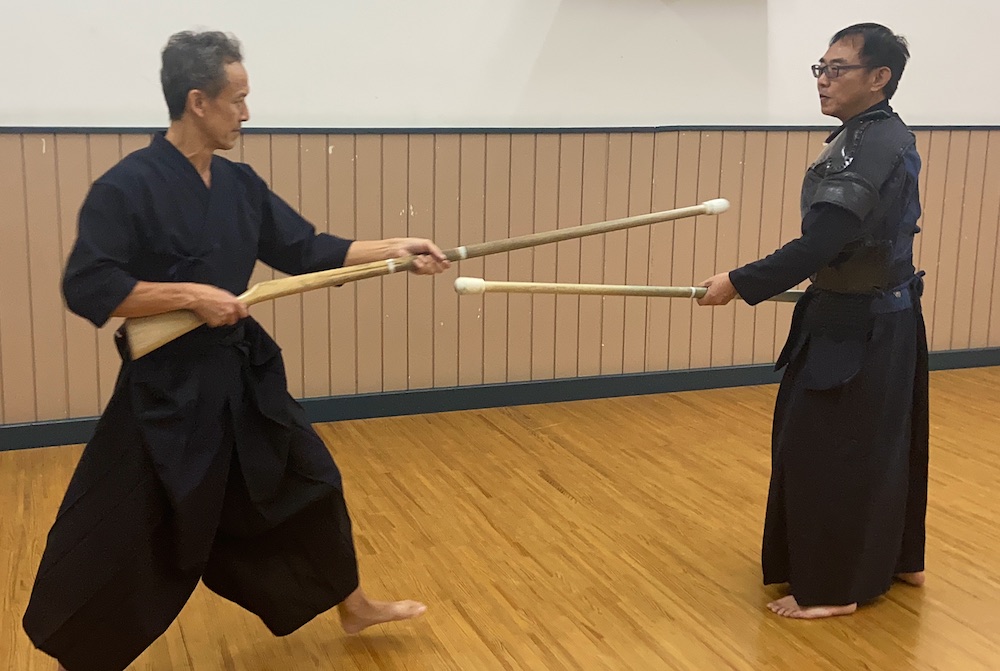
| Protective Equipment
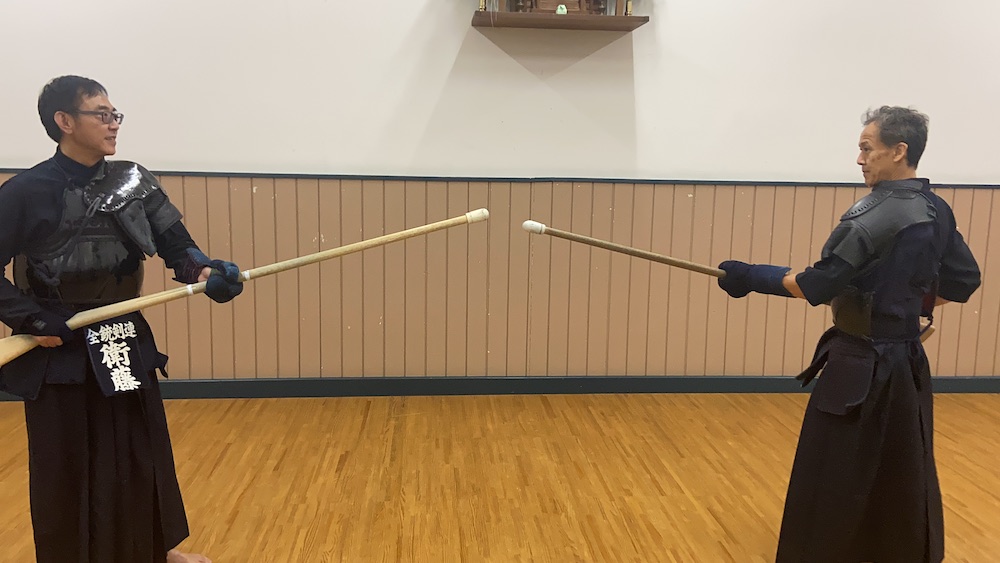
Jukendo armor resembles that of kendo but incorporates unique adaptations to ensure safety during bayonet practice:
- Men (helmet): Extended throat guard for added protection.
- Kote (gloves): Reinforced thumb areas to guard against thrusts.
- Dō (torso protector): Fitted with an extra leather panel to prevent the wooden bayonet from sliding upward.
- Tare (waist protector): Includes a leather loop for attaching the kata, which shields the shoulder and chest.
- Urabuton: A thick cotton pad worn under the left armpit to protect the side of the torso.
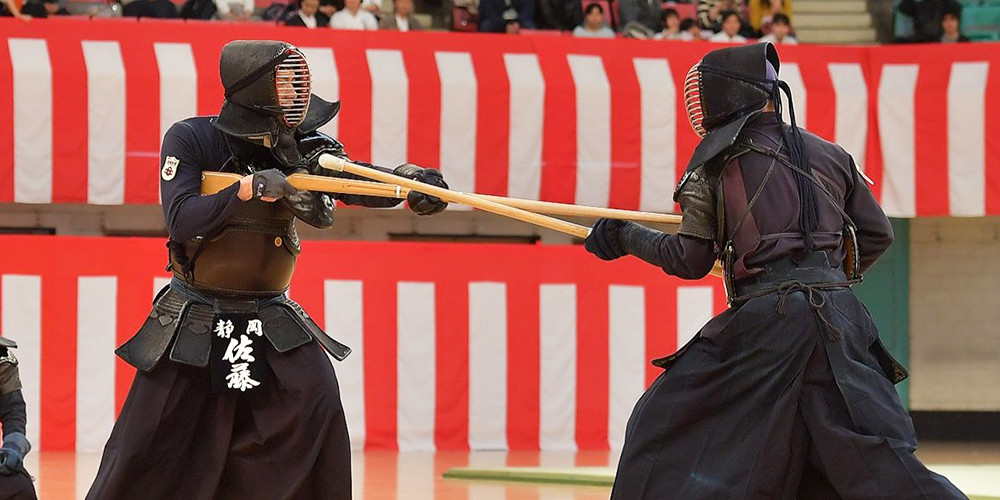
| Weapon and Technique
The primary training weapon is the mokujū—a wooden replica of a rifle with an affixed bayonet. Scoring a point (ippon) requires a decisive thrust combined with a forward leap (ki-ken-tai-itchi), immediately followed by weapon retraction and the state of readiness known as zanshin. Valid target areas include the chest, throat, left shoulder, and left forearm.
| Organization and Legacy
Since its establishment in April 1956, the All Japan Jukendo Federation (AJJF) has been the governing body of Jukendo, dedicated to preserving its traditions, refining its techniques, and promoting its practice as a discipline that blends martial effectiveness with cultural values.